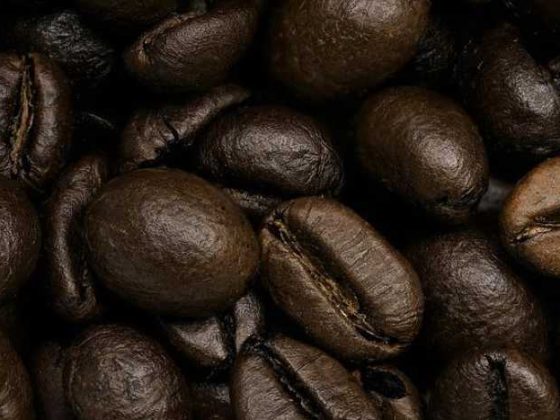
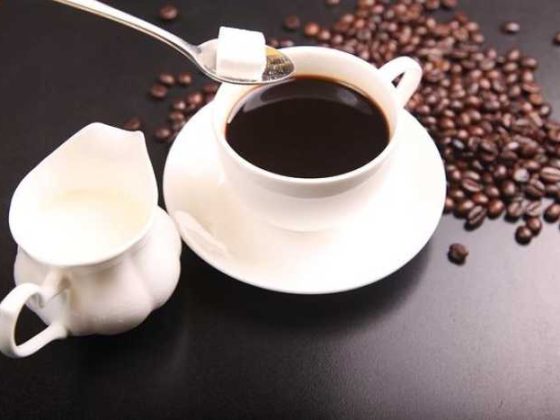
Hey there, coffee lovers! ☕️ Are you ready to dive into the delightful world of coffee beans? If you’ve ever found yourself staring blankly at the coffee aisle, puzzled by all those different beans, roasts, and brew methods, you’re not alone! Whether you’re a casual sipper or a self-proclaimed coffee connoisseur, this guide is all about demystifying the magical journey from bean to cup. We’ll explore the ins and outs of what makes each bean unique, how to brew the perfect cup, and why your morning joe is way more than just a wake-up call.So grab your favorite mug, get comfy, and let’s get brewing! 🌟
Getting to Know Your Coffee Beans: The basics Unpacked
When it comes to coffee, understanding the journey from bean to brew is just as important as savoring that first sip. Let’s break it down! Coffee beans primarily come from two species: Arabica and Robusta. Arabica beans are known for their sweet,more nuanced flavor profile with hints of fruit and sugar,making them a favorite among specialty coffee enthusiasts. On the other hand, Robusta beans pack a stronger punch, frequently enough described as earthy or nutty, and contain more caffeine, which is why they’re commonly used in espresso blends. Here’s a quick rundown of how to distinguish between them:
- arabica: Grown at higher altitudes, prefers cooler climates.
- Robusta: Hardy and resilient, thrives in lower altitudes, loves heat.
- Tasting Notes: Arabica is ofen more complex, whereas Robusta has a bold and bitter profile.
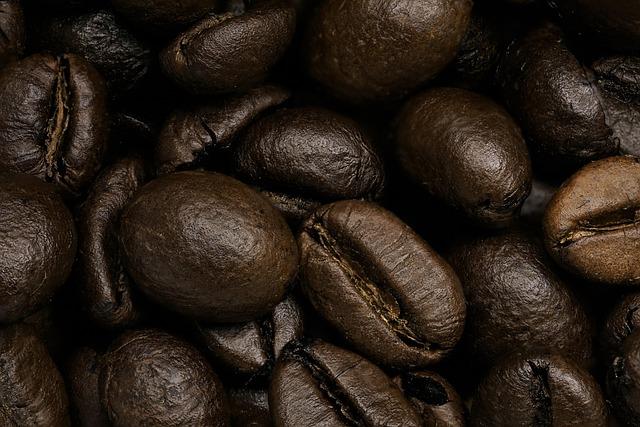
Now that you’ve got the basics down, let’s dive into the roast levels.The roasting process transforms green beans into the luscious brown beans we all recognize and love. The lighter the roast, the more you can taste the bean’s origin flavors, while darker roasts bring out a smoky, rich profile. Check out the chart below to get a grip on the different roast levels:
| Roast Level | Description |
|---|---|
| Light Roast | Bright, acidic, fruity flavors dominate. |
| Medium roast | Balanced acidity and body, sweeter profile. |
| Dark Roast | Rich, bold, often with bittersweet flavors. |
Brewing Methods That Bring Out the Best Flavors
When it comes to concocting that perfect cup of coffee, the brewing method you choose can dramatically influence the flavors that dance on your palate. For instance, pour-over allows you to control every aspect, from the water temperature to the pour rate, extracting bright acidity and complex notes from the beans. similarly, the French press unlocks a fuller body and rich, robust flavor profile, thanks to the immersion brewing technique that captures the oils and fine particles, making your sips velvety smooth. Conversely, a cold brew delivers a mellow, sweet taste, as the longer extraction time dulls the acidity and brings out naturally sweet undertones.
Another favorite among coffee aficionados is the espresso method, where finely ground beans are brewed under high pressure, resulting in a concentrated shot that packs a powerful flavor punch. For those craving a unique twist, the Aeropress provides versatility and portability, combining the best of French press and espresso methods, allowing you to experiment with different variables for varied flavor profiles. No matter which method you choose,always keep in mind the importance of fresh and quality beans; they are the secret ingredient to unlocking flavor magic.
crafting Your Perfect Cup: Tips for Every Coffee Lover
Brewing the perfect cup of coffee is as much an art as it is a science,and it all starts with the quality of your beans. choose whole beans over pre-ground ones to ensure freshness. When buying, look for beans that have been roasted recently and consider their origin—different regions produce beans with unique flavor profiles. For those who like to experiment,try beans from different areas like:
- Ethiopia – for fruity and floral notes
- Colombia – for a balanced flavor with hints of caramel
- Sumatra – for earthy,bold flavors
Once you’ve picked your beans,the grind size is crucial. A coarse grind is perfect for french presses, while a fine grind is best for espresso machines. Next up, don’t underestimate the importance of water temperature and ratio. Ideally, aim for water that’s between 195°F to 205°F and use about 1 to 2 tablespoons of coffee per 6 ounces of water.For even more control, check out our handy brewing methods table below:
| Brew Method | Grind Size | Brewing Time |
|---|---|---|
| French press | Coarse | 4 minutes |
| Pour Over | Medium | 3-4 minutes |
| Espresso | Fine | 25-30 seconds |
Exploring Flavor Profiles: From Fruity to Nutty and Beyond
When it comes to coffee, flavor profiles are as diverse as the beans themselves.Each type boasts its own unique essence,influenced by factors such as region,altitudes,and even the processing methods used.For example, Ethiopian coffees are famous for their fruity and floral notes, often likened to the sweetness of berries or jasmine.On the other hand, Colombian beans tend to offer a more balanced flavor, rich with caramel and nutty undertones. here’s a quick look at what different beans can bring to your cup:
- Fruity: Ethiopian, Kenyan
- Chocolatey: Brazilian, Guatemalan
- Nutty: Colombian, Hawaiian Kona
- Spicy: Indian Monsooned malabar, Sumatra
But don’t stop there! Beyond the distinct fruity and nutty flavors, beans from different regions offer an array of experiences. For instance, Sumatran coffee tends to have a deep, earthy taste with rich spice notes, perfect for those who appreciate a full-bodied brew. Interestingly, the processing method can also contribute substantially; for example, washed coffees tend to have brighter acidity and clearer flavors, while natural coffees carry a more intense sweetness. So, whether you’re after something vibrant, smooth, or robust, there’s a whole world of coffee flavors waiting to be explored!
| Region | Flavor Profile | Top Notes |
|---|---|---|
| Ethiopia | Fruity & Floral | Blueberry, Jasmine |
| Colombia | Balanced & Nutty | Caramel, Almond |
| Sumatra | Earthy & Spicy | Dark Chocolate, Cinnamon |
| Brazil | Chocolatey & Rich | Hazelnut, Cocoa |
Q&A
Coffee Beans 101: Your Guide to Brews and Buzzes!
Q: What are the main types of coffee beans?
A: The world of coffee beans is mainly dominated by two types: Arabica and Robusta. Arabica beans are sweeter, with a touch of acidity—think of them as the fancy, artisanal option. Robusta, conversely, packs a punch with a stronger, bolder flavor and has more caffeine. It’s like the no-nonsense buddy who’s got your back on those groggy mornings.
Q: how do I choose the right beans for my brew?
A: It all boils down to your taste buds! If you like smooth, nuanced flavors, go for Arabica. If you don’t mind a bit of bitterness and want a caffeine kick, Robusta is your friend. And don’t forget to think about roast levels! Light roasts will give you fruity and floral vibes,while dark roasts are all about that rich,chocolatey goodness.
Q: What’s the deal with coffee roasts?
A: Ah, roasts! You’ve got light, medium, and dark, each with its own personality. Light roasts are like the upbeat friend who’s all about adventure – bright and zesty. Medium roasts find a happy middle ground, combining sweetness with a bit of nuttiness. Dark roasts are like the cozy, comforting blanket that wraps you up with deep, bold flavors. Choose wisely based on your mood!
Q: Can I grind my coffee beans at home?
A: Absolutely! Grinding coffee at home can elevate your brew game to the next level. Freshly ground beans bring out maximum flavor, so consider investing in a burr grinder for consistency. Just remember—the grind size matters! Coarser for French presses, medium for drip coffee, and fine for espresso. it’s a bit like finding the perfect outfit; a little trial and error will led you to your coffee destiny!
Q: What’s the best way to brew coffee at home?
A: There are a bunch of fun methods to try! If you’re looking for simplicity, a drip coffee maker is your best bet. Want to be more hands-on? Go for a French press or pour-over for optimal flavor control.feeling adventurous? Try an Aeropress or even the old-fashioned boil-and-strain method. The best brew is the one you enjoy the most!
Q: How does the origin of coffee beans affect the flavor?
A: It’s a whole vibe! Coffee beans from different regions come with their own unique flavor profiles thanks to the soil, climate, and processing methods. For instance, Ethiopian beans often have fruity and floral notes, while Brazilian beans could be nutty and chocolatey. Think of it as a world tour for your taste buds—each cup tells a different story!
Q: Should I go for whole beans or pre-ground coffee?
A: If you want the freshest cup possible, whole beans are the way to go! They retain their flavor longer, so you get to experience the full spectrum of deliciousness. But hey, if convenience is your jam, pre-ground coffee will do the trick. just be mindful that the flavor won’t be as vibrant. It’s a trade-off, my friend!
Q: How should I store my coffee beans?
A: Keep those beans happy by storing them in an airtight container away from light, heat, and moisture. An opaque container in a cool, dark place is your best bet. Avoid the fridge—nothing ruins coffee faster than moisture and odors!
Q: What’s the buzz about caffeine? How much do I get from my coffee?
A: The buzz is real! A typical cup of coffee (8 oz) has about 95 mg of caffeine, but this can vary based on the type of bean and brewing method. Remember: a shot of espresso has about 63 mg, even though it’s served in a tiny cup! Just know your limits so you don’t end up bouncing off the walls!
Q: Any final tips for coffee lovers?
A: Just enjoy the journey! Try different beans, blends, and brewing methods—don’t be afraid to experiment. Coffee is all about personal preference, so find what makes your taste buds dance and enjoy every sip. Cheers to great brews and the buzz that follows! ☕✨
In Conclusion
And there you have it—your ultimate crash course on coffee beans! Whether you’re a casual sipper or a self-proclaimed java junkie, understanding the ins and outs of coffee beans can transform your daily brew into a delightful ritual. From the rich flavors of arabica to the bold kick of robusta, there’s a whole world of beans out there just waiting for you to explore.So, next time you find yourself in front of an overwhelming wall of coffee options or staring at the menu in your favorite café, you’ll know exactly what you’re after. Experiment, taste, and don’t be afraid to ask questions—your taste buds will thank you.
Now grab that cup, share some laughs with friends, and let the coffee buzz flow. remember, life’s too short for bad brews! Thanks for stopping by, and happy sipping! ☕✨