Hey there, coffee lovers! ☕✨ If you’ve ever taken a moment to appreciate your morning brew or felt a little giddy at the thought of a cozy café visit, you know there’s something magical about coffee. But have you ever wondered about the journey of those little beans from plant to cup? Join us as we dive into the enchanting world of coffee bean plants! We’ll explore how to care for these beauties, uncover the secrets of growing your own coffee garden (yes, you can do it!), and share some fun facts that will make you the star of your next coffee chat. So grab your favorite mug, kick back, and let’s brew some knowledge together! 🪴🌱
Getting to Know Your Coffee Bean Plants
When you embark on the journey of growing your own coffee bean plants, it’s like inviting a little piece of paradise into your home. Understanding these plants is essential for their healthy growth and bountiful harvest. Coffee plants thrive in conditions that mimic their native habitats, often found in tropical climates. to give your coffee beans the best chance to flourish, you’ll need to pay attention to several factors:
- Light: coffee plants prefer luminous, indirect sunlight. Too much direct sunlight can scorch the delicate leaves.
- Water: Keep the soil consistently moist but not soggy,as coffee plants don’t appreciate “wet feet.”
- Temperature: They flourish in temperatures between 60°F and 70°F, so be mindful of temperature fluctuations.
Getting to know your coffee plants isn’t just about the basics; it’s also about appreciating their unique characteristics! The leaves are shiny and dark green,while the flowers that bloom are small and white,emitting a delightful fragrance. Over time, these charming plants yield beautiful red cherries, which house your precious coffee beans. Here’s a rapid comparison of the two main coffee species you might consider growing:
| Species | Taste Profile | Growing Conditions |
|---|---|---|
| Arabica | Sweeter, mild flavor with hints of fruit and sugar | Higher altitudes with cooler climates |
| Robusta | Stronger, bitter taste, often with earthy notes | Lower altitudes and hotter climates |

Perfecting the Soil: Essential Tips for Happy Plants
When it comes to nurturing your coffee bean plants,the key starts deep down in the dirt! Achieving the perfect soil mix is crucial for robust growth and bountiful beans. Here are some essential tips to consider for ensuring your soil is ready to support your prized plants:
- Drainage is Essential: Coffee plants thrive in well-draining soil. A mix of peat moss, perlite, and compost will not only provide the nutrients they crave but also allow excess water to escape.
- pH Balance: Aim for a soil pH of about 6-6.5 to create a kind habitat for your coffee plants. You can test your soil easily with affordable home kits found at garden centers.
- Organic Matter: Enrich your soil with organic compost to boost moisture retention and enhance nutrient availability.Worm castings are a fantastic addition, promoting beneficial microbes that help your plants thrive.
Don’t forget to occasionally refresh your soil to keep it nutrient-rich.Regular amendments with organic fertilizers can work wonders,especially during the growing season. Consider the following types of fertilizer for best results:
| Fertilizer Type | Benefits |
|---|---|
| Fish Emulsion | Promotes vigorous leaf growth and overall health. |
| Bone Meal | Adds phosphorus for strong root advancement. |
| Organic Compost | Provides balanced nutrients and improves soil structure. |
Watering Wisdom: How to Keep Your Coffee Beans thriving
Watering your coffee plants is an art as much as it is a science. To strike the perfect balance, consider the following tips:
- Check the Soil: Always dig your finger into the soil about an inch deep. If it feels dry, it’s time to water.
- Consistency is Key: Aim to water your coffee plants consistently, making sure to keep the soil lightly moist but not soggy.
- Time of Day Matters: Watering in the early morning is best, as it prevents evaporation and allows the plants to absorb the moisture effectively.
Another aspect to consider is the type of water you use.Coffee plants thrive on slightly acidic water, so rainwater or filtered water is ideal. Here’s a handy table summarizing the best watering practices:
| Factor | Suggestion |
|---|---|
| Water Type | Rainwater or filtered water |
| Frequency | Once a week or when soil is dry |
| Soil Moisture | Keep evenly moist (not soggy) |
Pest Prevention: Keeping Your Coffee Garden Safe and Healthy
When cultivating your coffee garden, keeping pests at bay is essential for a thriving crop. Start by regularly inspecting your plants for any signs of infestations.Create a habit of checking the underside of leaves,where unwanted visitors like aphids love to hide. Incorporating beneficial insects, such as ladybugs and lacewings, can be a natural way to manage those pesky pests without relying on harsh chemicals. They not only feast on aphids but also help maintain the balance of your garden’s ecosystem.
To further enhance your pest prevention strategy, consider practicing companion planting. Pairing coffee plants with plants like marigolds or garlic can repel harmful insects and boost healthy growth. Additionally, establishing a strong soil foundation will lead to lush plants that are less susceptible to infestations. Utilizing organic fertilizers and compost helps to nourish your coffee plants, ensuring they’re robust and well-prepared for any pest challenges. Remember,keeping your coffee garden healthy is a daily ritual,and a little prevention goes a long way!
Q&A
Q&A: Brewing Magic: All About Coffee Beans Plants and Care!
Q: What’s the deal with coffee beans? Are they really beans?
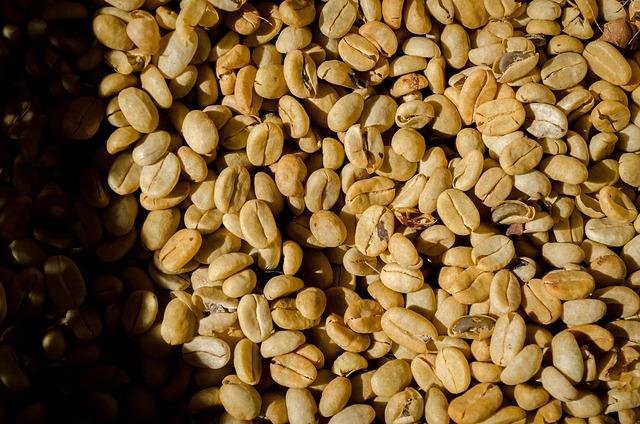
A: Great question! Coffee beans are actually the seeds of the coffee cherry,which grow on coffee plants.So while we call them beans, they’re technically seeds. But let’s not get too bogged down in semantics—just know that these little guys are packed with flavor and caffeine!
Q: Can I grow my own coffee plant at home?
A: Absolutely! Growing a coffee plant at home can be super rewarding. You’ll need a cozy spot with bright,indirect sunlight and a bit of humidity. Just remember, these plants can take a while to bear fruit—usually about 3 to 4 years. But hey, patience is a virtue!
Q: What do I need to care for a coffee plant?
A: Coffee plants love well-draining soil, regular watering (but don’t drown them!), and a bit of fertilizer every few months during the growing season. Keep the temperature above 60°F (15°C),and watch out for pests! They can be doing their thing in the shadows,so check under the leaves regularly.
Q: Do coffee plants have any special requirements?
A: Yep! They thrive in tropical climates, so if you live somewhere that’s hot and humid, you’re in luck! If not, you might want to try growing them indoors. Just keep them away from drafts and cold windows. Make sure you mist them occasionally to up that humidity!
Q: When will I get to enjoy my homegrown coffee?
A: That’s the tricky part! After waiting a few years for those gorgeous coffee cherries to appear, you’ll need to harvest, dry, and roast the beans to enjoy your homegrown brew. It’s a labor of love, but the taste of fresh-roasted coffee is incredibly satisfying!
Q: Are there different types of coffee plants?
A: Definitely! The two most common types are Arabica and Robusta. arabica is known for its smooth, complex flavors (and is often considered the higher quality of the two), while Robusta tends to be bolder and more bitter, with higher caffeine content. Each has its own unique charm, so it’s worth exploring both!
Q: How can I tell if my coffee plant is healthy?
A: Keep an eye out for shiny, dark green leaves—this is a sign of a happy plant! If the leaves start turning yellow or dropping, it could mean overwatering or nutrient deficiencies. A little inspection can go a long way in keeping your plant thriving!
Q: Any tips for harvesting coffee cherries?
A: When those cherries ripen into a lovely red hue, it’s time to harvest! You can gently pick them by hand, but make sure to only take the ripe ones. And remember, it’s a labor-intensive process, so put on some good tunes and enjoy the moment!
Q: What’s the best way to brew coffee with my homegrown beans?
A: You’ve got options galore! You can go for a classic drip brew, French press, or even an espresso machine if you’re feeling fancy. Just remember to grind the beans fresh before brewing for the best flavor explosion. Enjoy the magic of your hard work in every sip!
Q: What’s the biggest challenge in caring for a coffee plant?
A: Probably maintaining the right conditions. Coffee plants can be a bit finicky about light and moisture. But with a little attention and care,you’ll find that they can thrive and perhaps offer you some lovely beans to brew!
Q: Any last words of wisdom for aspiring coffee growers?
A: Just have fun with it! coffee growing can be a bit of an adventure,and every little milestone—from that first leaf to your first cup of home-roasted coffee—is totally worth celebrating. Keep learning, be patient, and enjoy the brewing magic you create!
In conclusion
And there you have it — the enchanting world of coffee beans, from seed to cup! Whether you’re a seasoned barista or a casual coffee lover, understanding your beans is like unlocking a hidden spellbook. Remember, every coffee plant has its quirks, and with a little love and care, you can brew your own little slice of magic right at home.So go ahead, experiment with different beans, enjoy the process of nurturing your plants, and savor the fruits of your labor. Who knows, you might just become the next coffee wizard in your friend circle!
Thanks for hanging out with us on this caffeinated adventure. Don’t forget to share your coffee-growing tales or brew tips in the comments below — we love hearing from you! Until next time,keep your mugs full and your coffee magic brewing! ☕✨